What Elite Sport Can Teach Business Leaders About High-Performing Teams

With ten minutes left on the clock and a game slipping away, a team does not need a motivational speech. It needs direction.
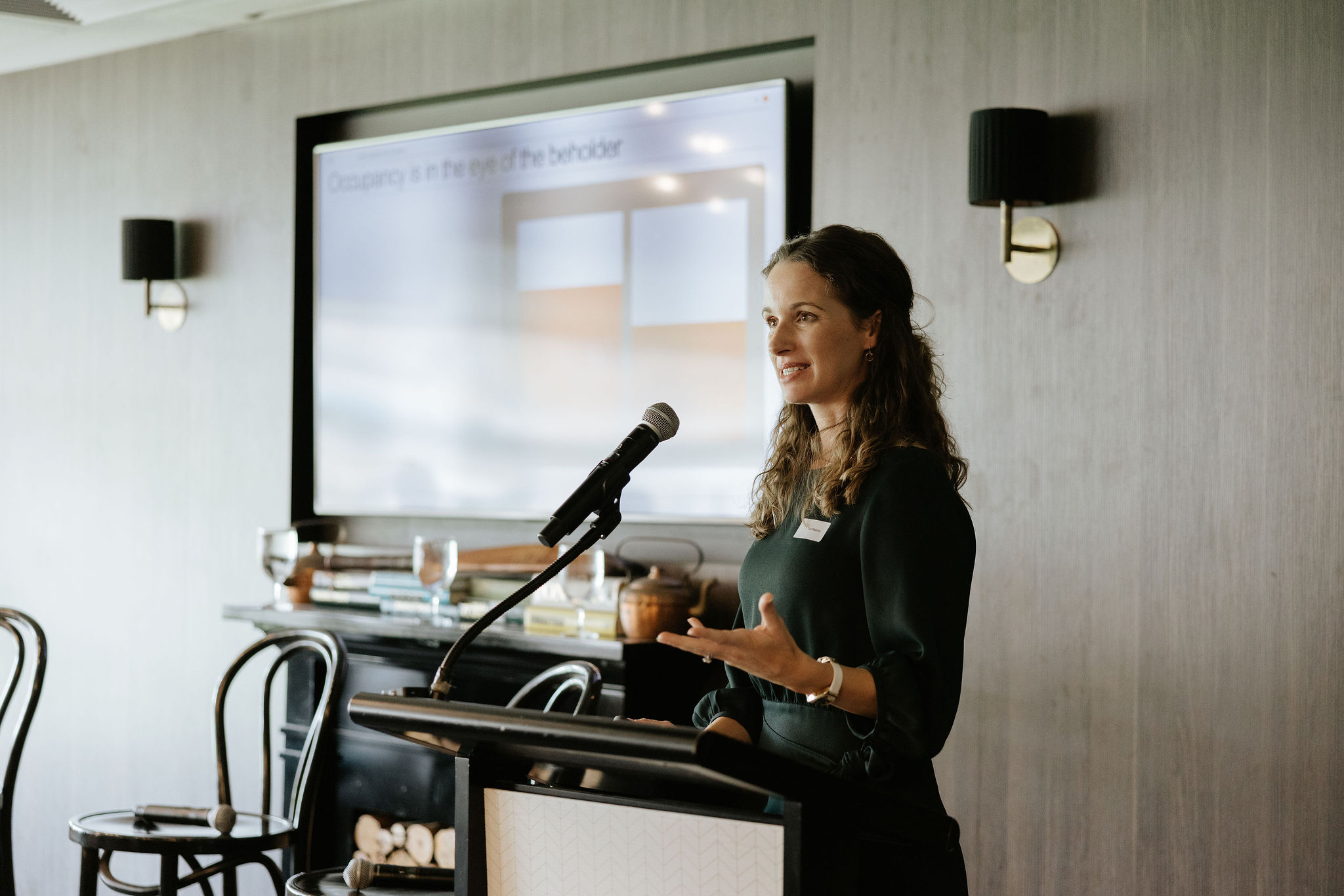
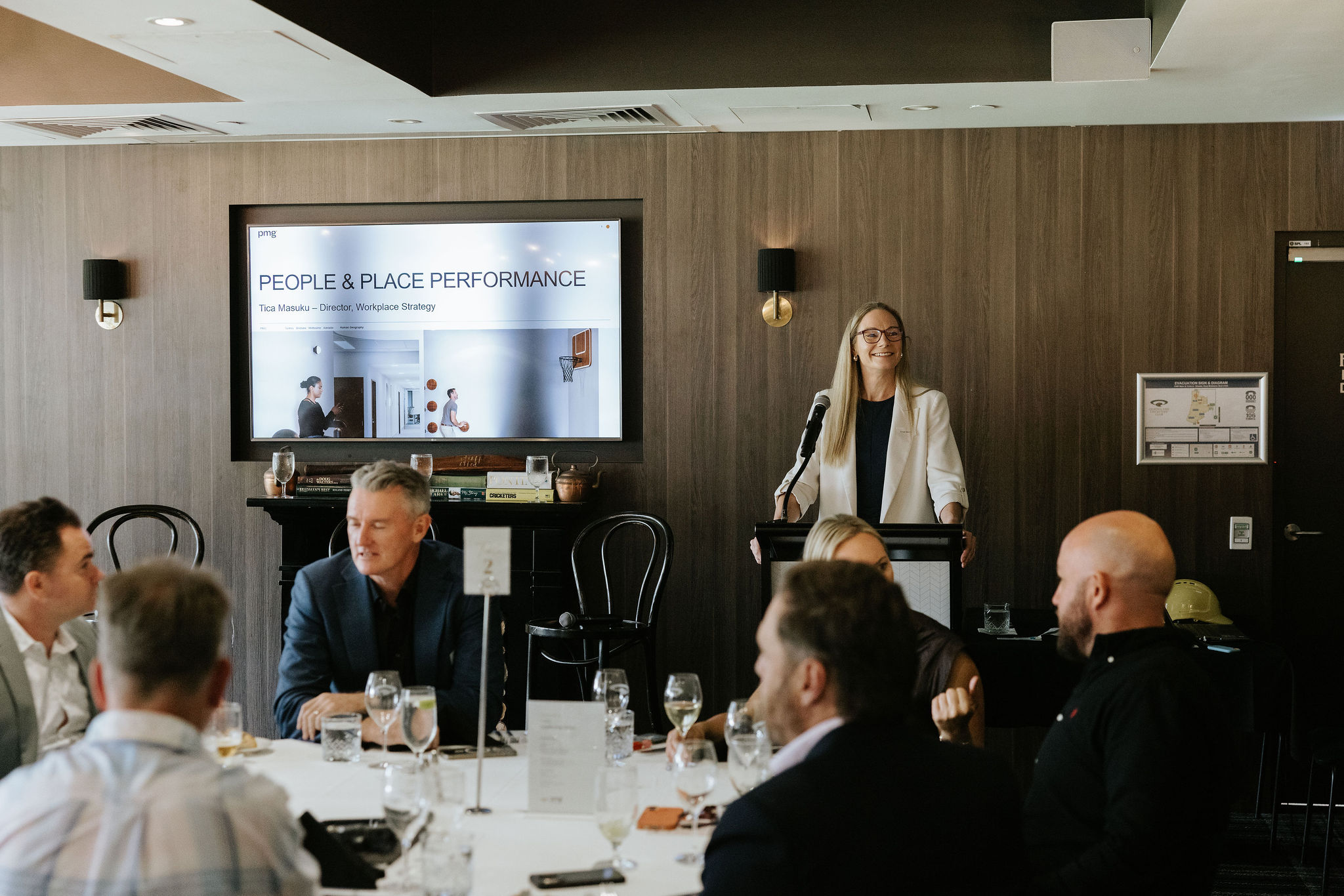
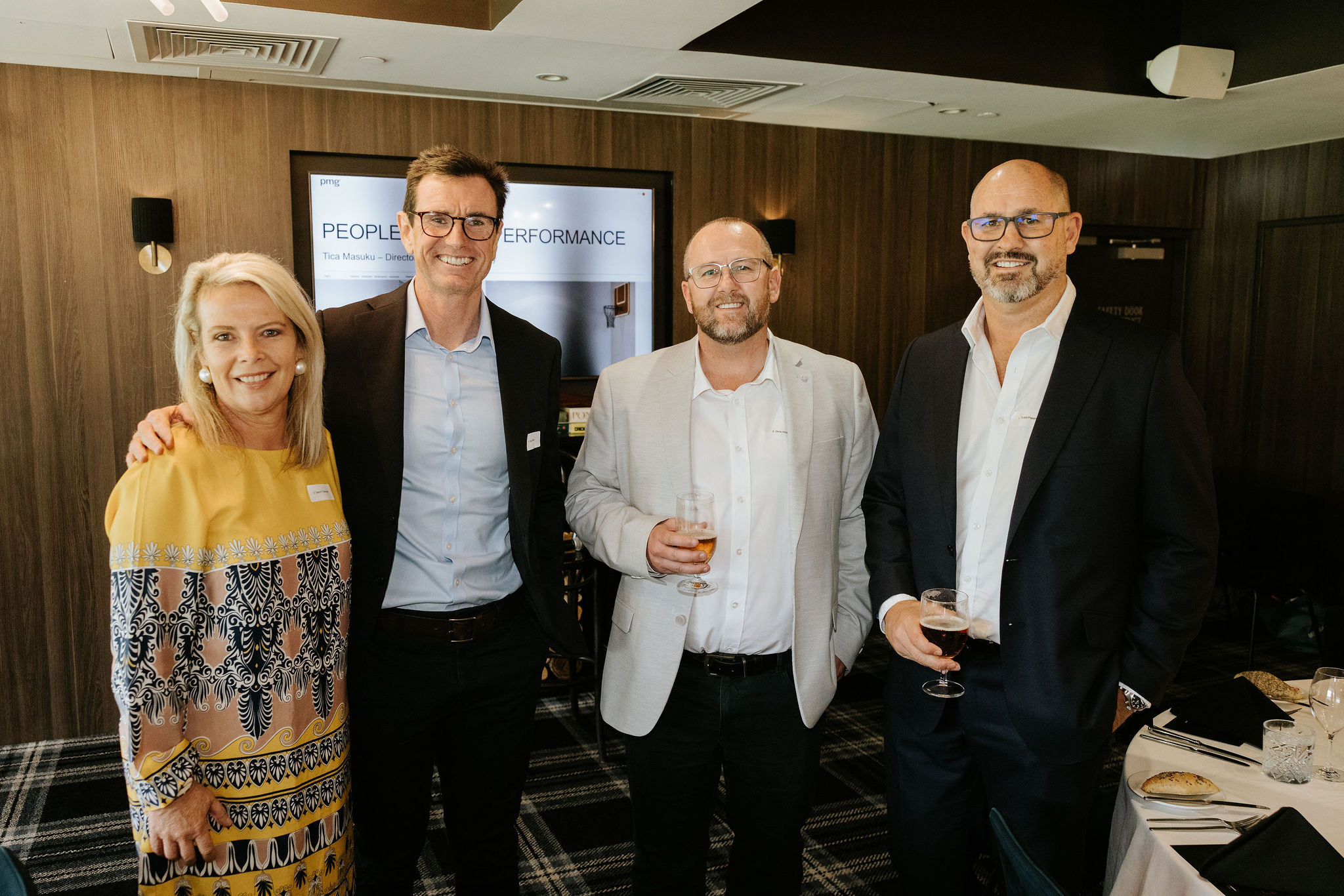
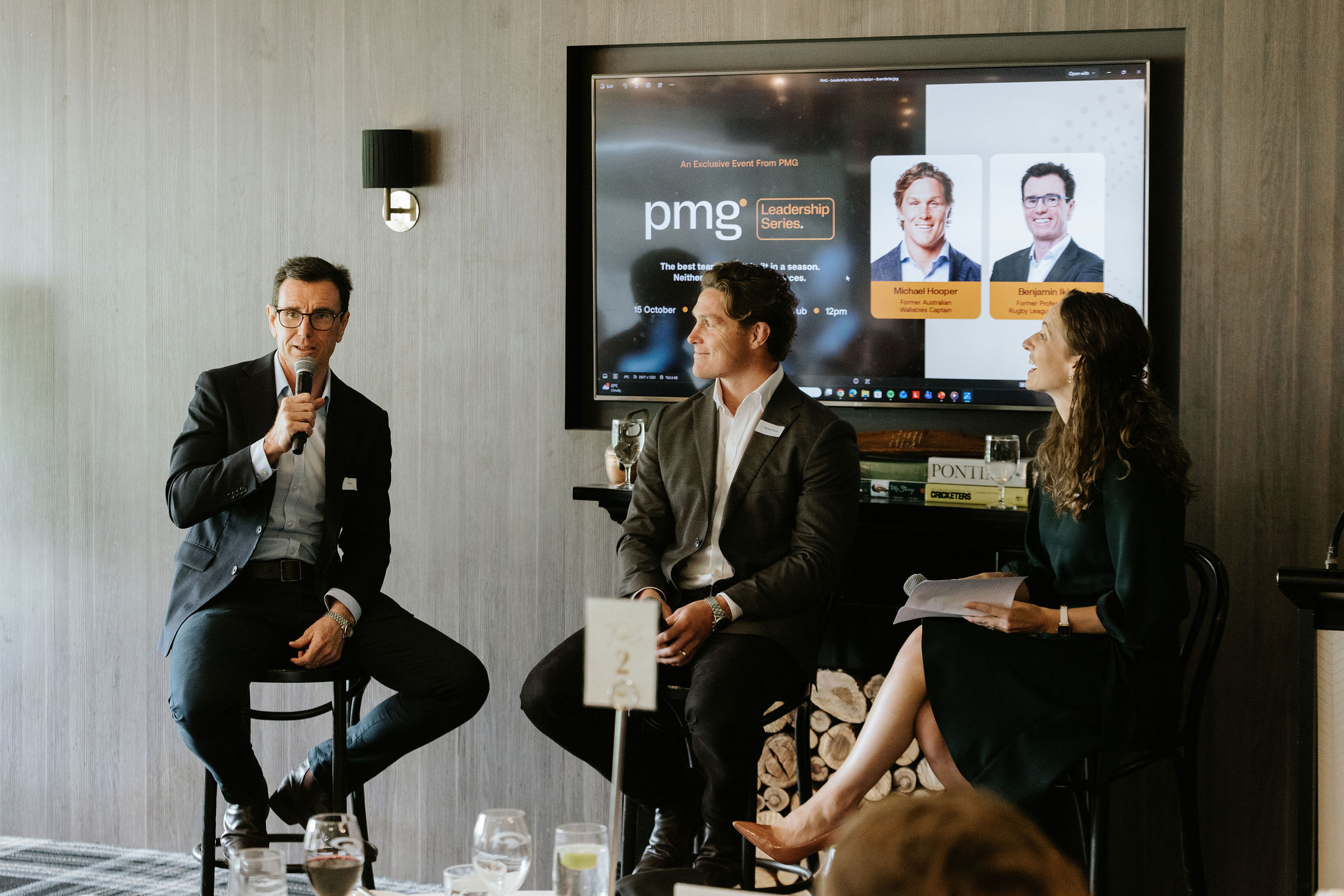
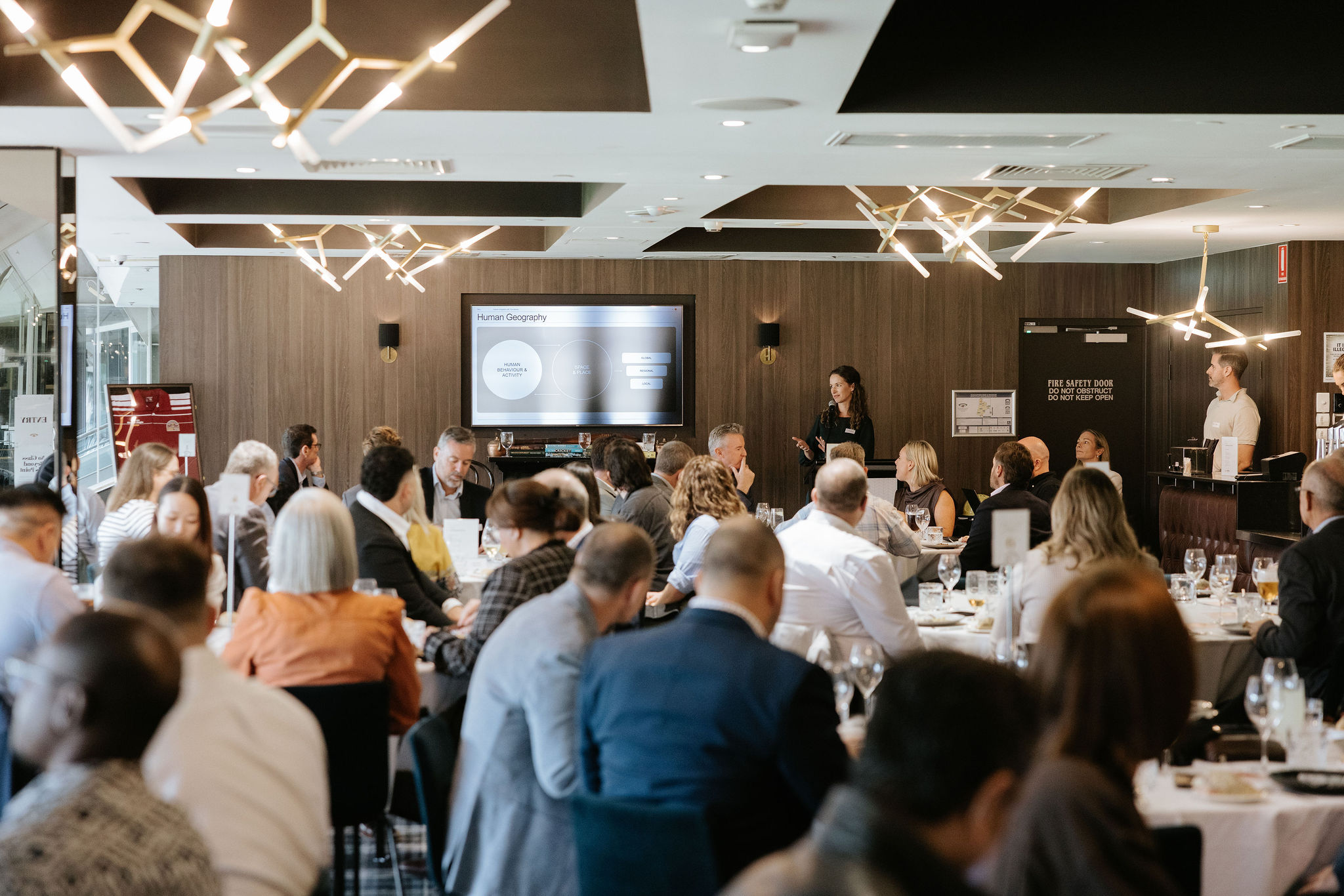
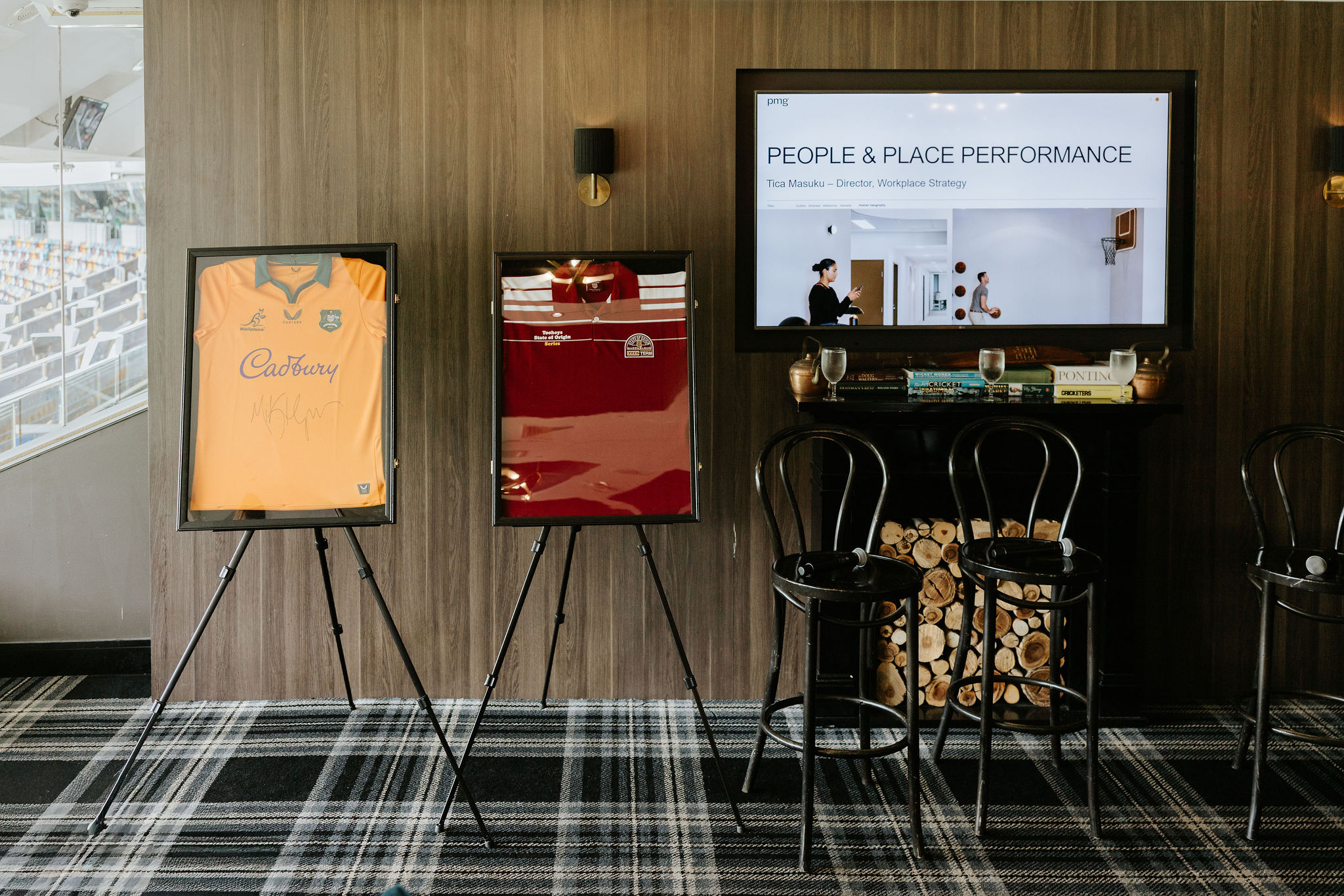
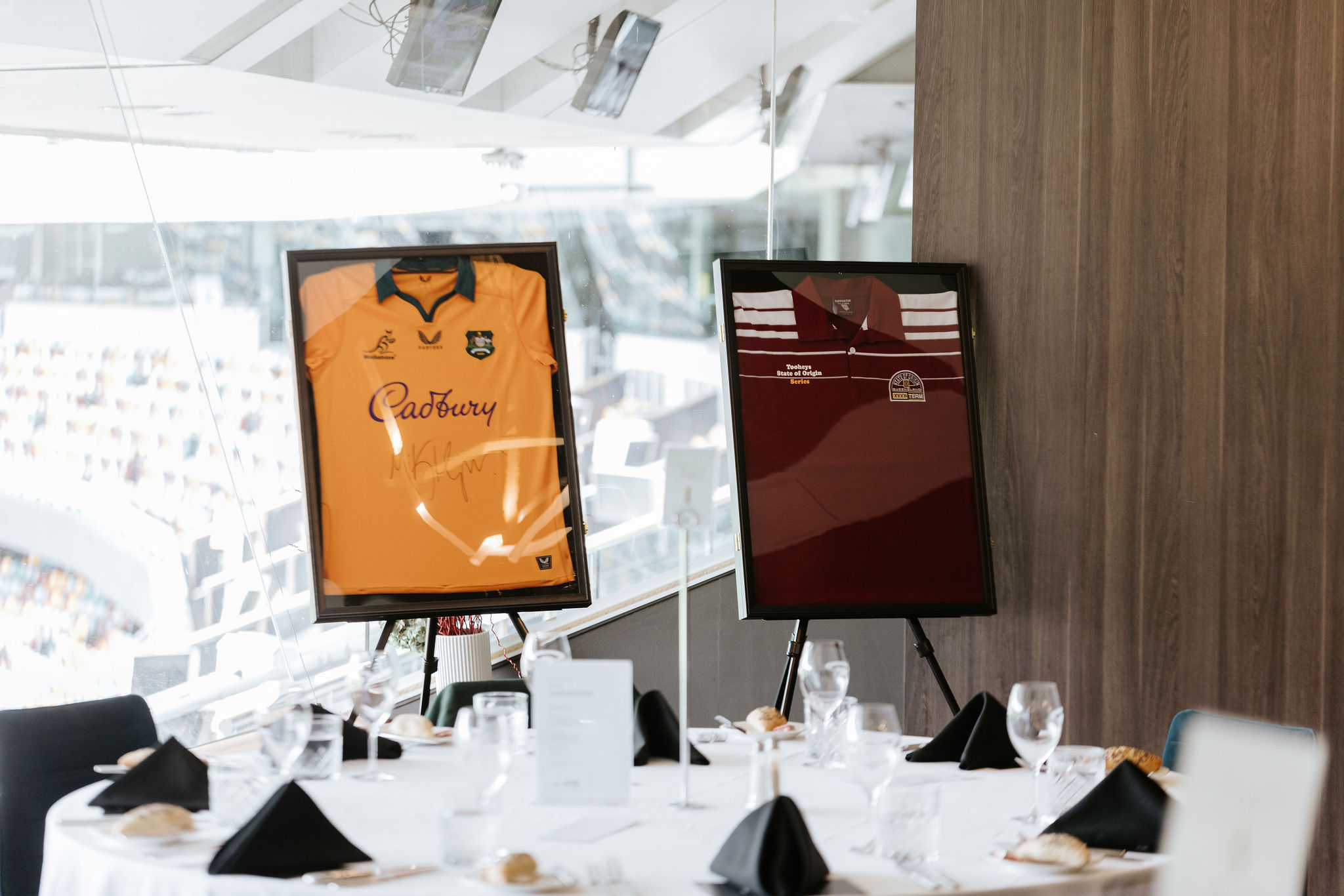
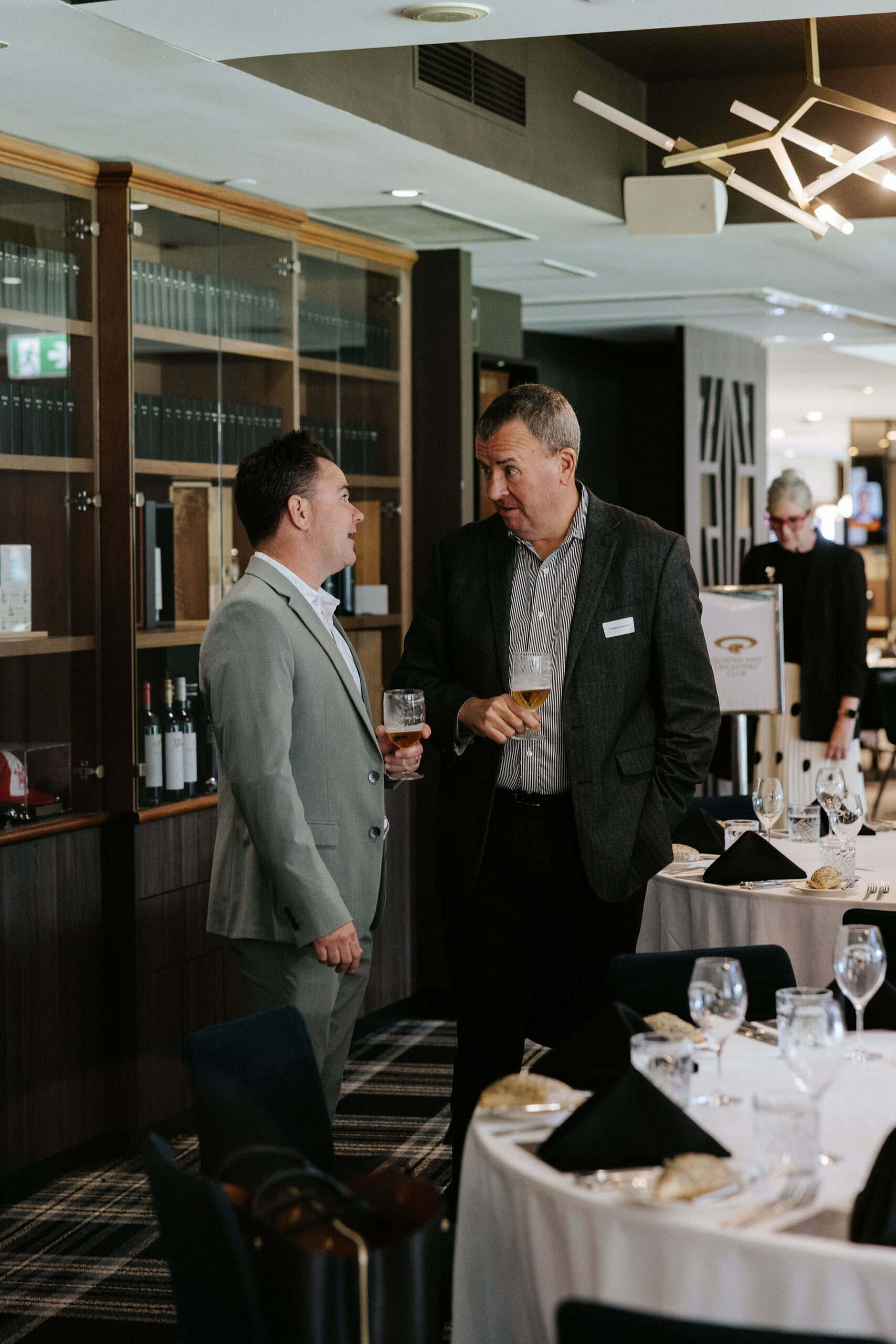
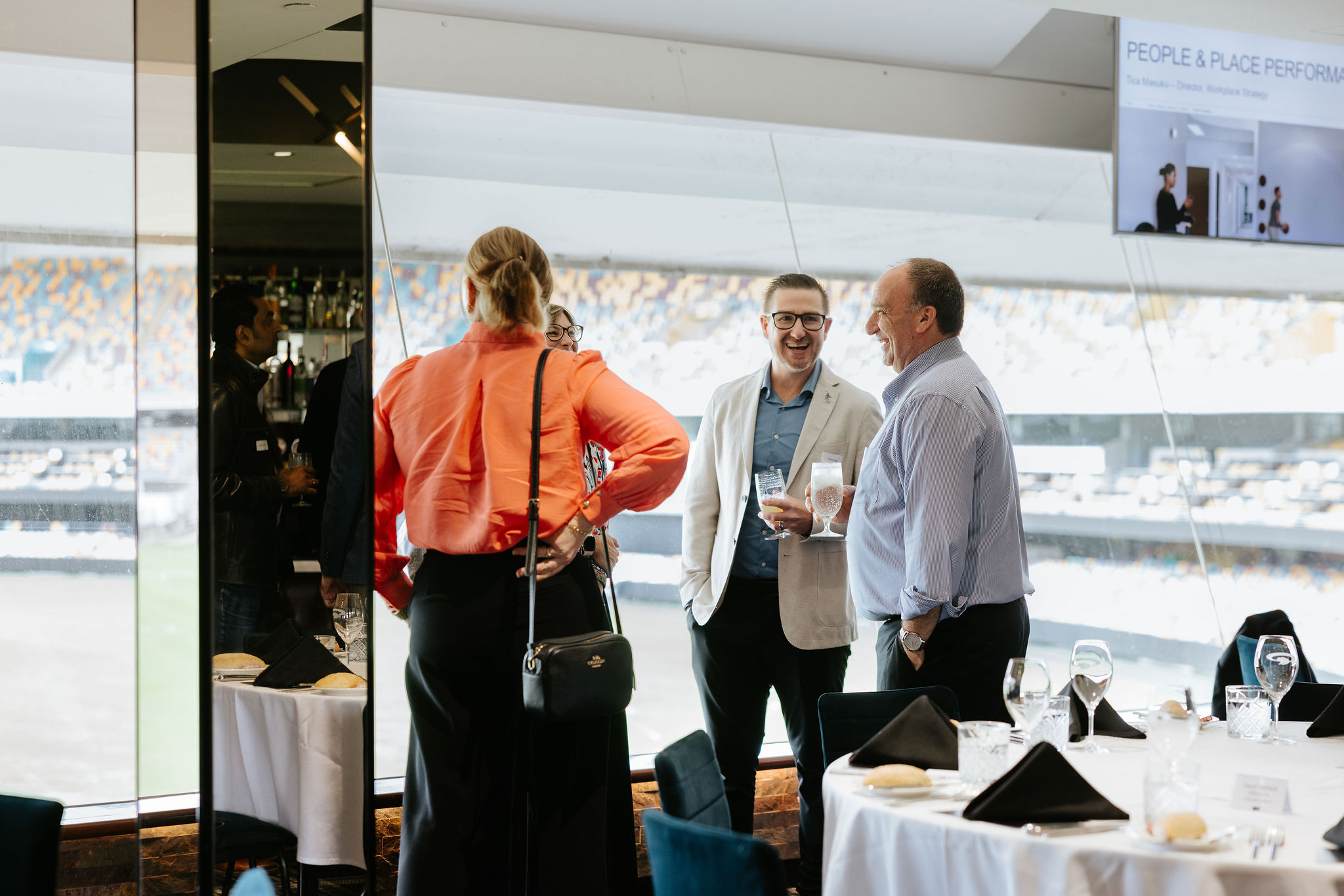
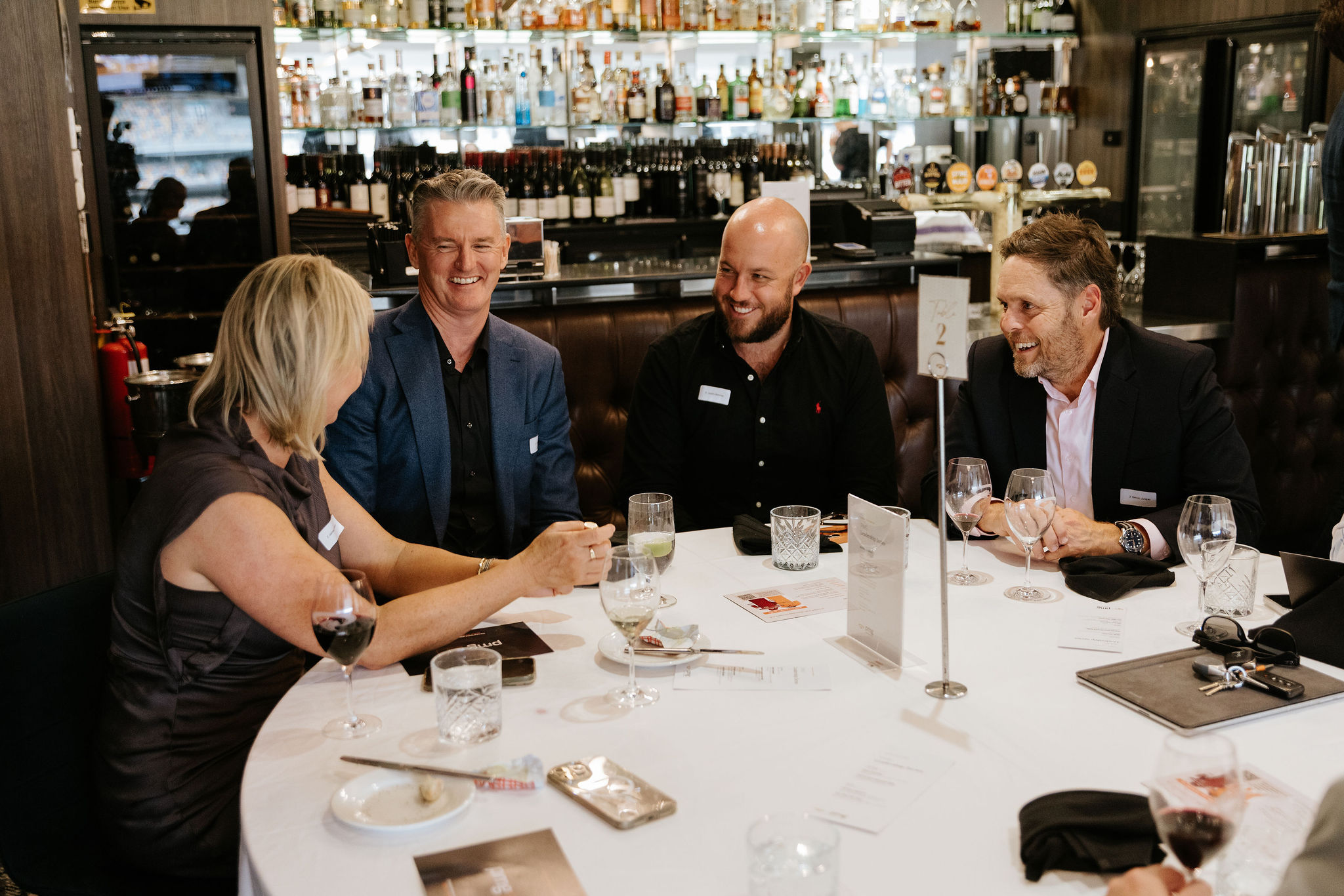
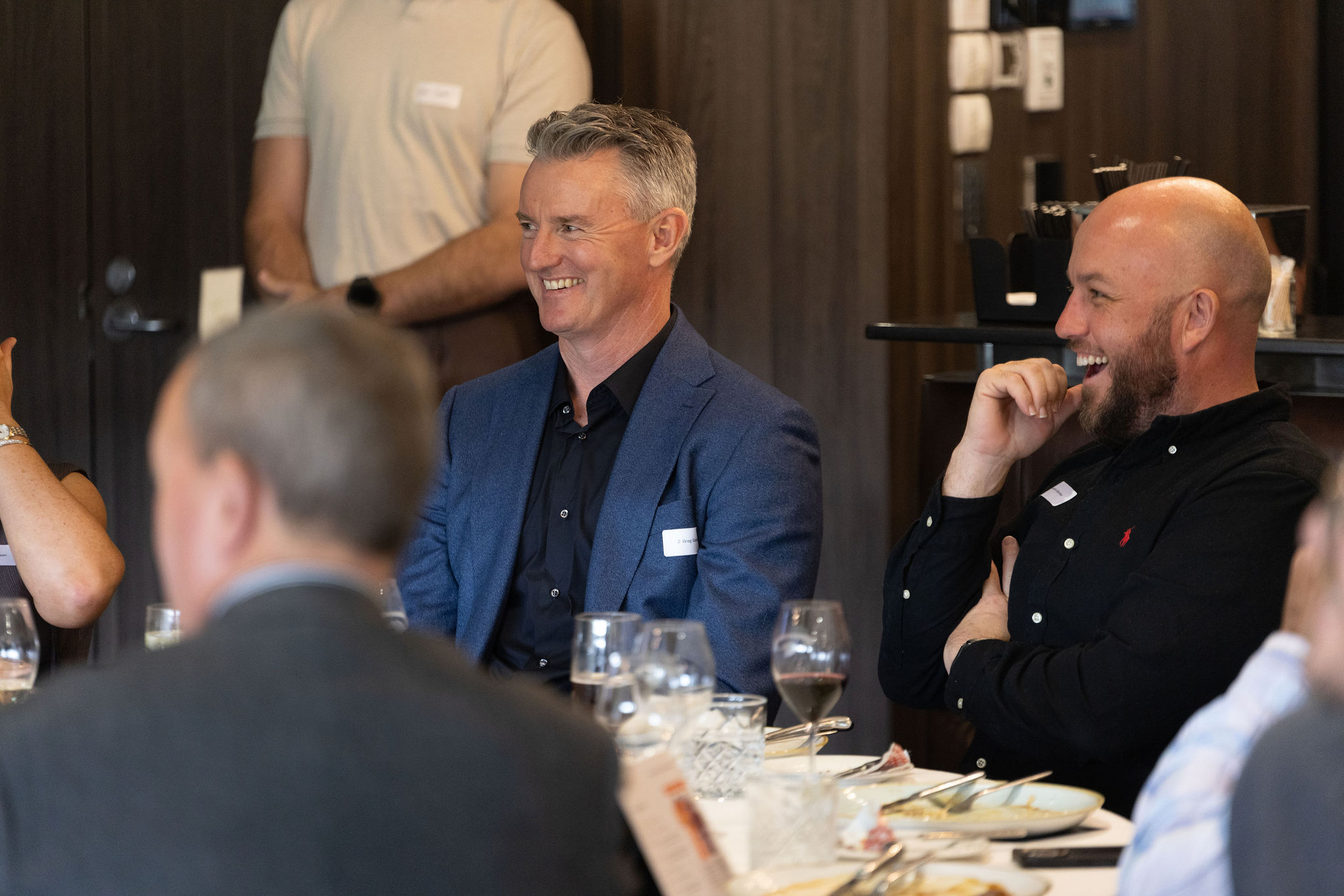
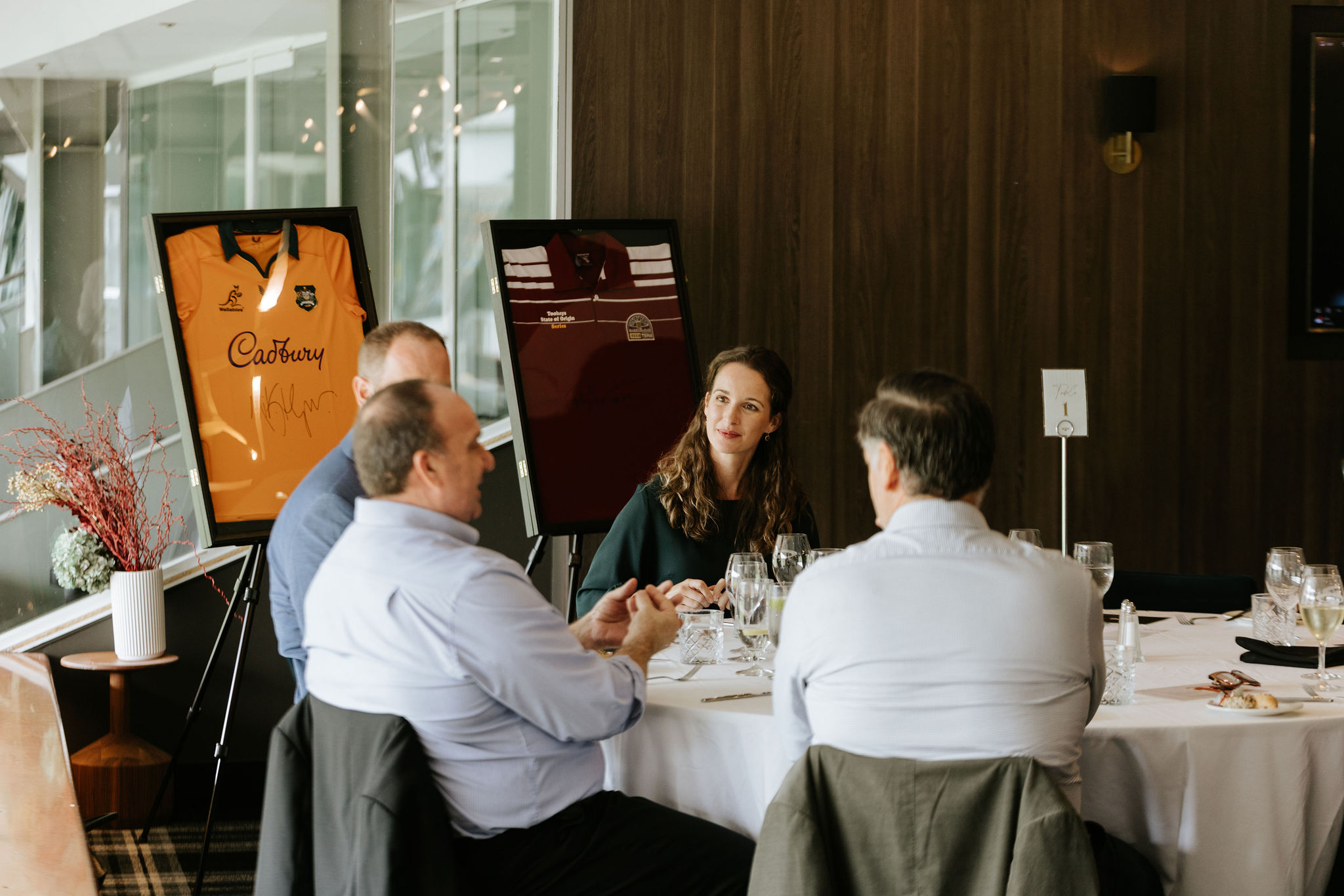
That was one of the insights Michael Hooper shared during PMG’s Brisbane leadership luncheon, where the former Wallabies captain joined Ben Ikin, former NRL player and Queensland Rugby League CEO, for a conversation moderated by PMG’s Director of Workplace Strategy, Tica Masuku. Drawing on their experiences across elite sport, media and organisational leadership, the discussion explored what it takes to build teams that perform under pressure, and why the lessons extend well beyond the sporting arena.
When pressure rises, clarity matters more than motivation
Hooper’s response to a question about the final minutes of a losing game challenged a familiar leadership instinct. If a team is already behind, he explained, the players should have plenty of motivation to turn things around. What they need from their captain in those moments is direction.
The focus shifts to a familiar drill, something the team has practised repeatedly and knows how to execute. Each player understands their role and the outcome they are working towards. If the situation changes, the team can adapt without losing its collective focus.
Business leaders face similar moments. A major client relationship is at risk, a project is falling behind or an unexpected change threatens a critical deadline. These situations rarely benefit from a sudden flood of new ideas or competing instructions.
Preparation gives people something to fall back on. When teams understand the plan, their responsibilities and how to respond when circumstances change, leaders can direct attention towards the next useful action. That clarity becomes particularly valuable when there is little time to deliberate.
Preparation is what makes performance look effortless
Ben Ikin offered another perspective on what high performance demands, reflecting on his ten years as the co-host of NRL 360 before becoming CEO of Queensland Rugby League.
He described spending around seven hours preparing for a two-hour content commitment on a one-hour television programme. The anecdote illustrated a principle that applies across professional sport and business: people who perform consistently at a high level put substantial work into the preparation that audiences rarely see.
Talent matters, but it does not remove the need to practise, refine and repeat. Preparation builds familiarity with the task, allowing people to devote more attention to what is happening in the moment.
For business leaders, this has implications for how performance is developed. Organisations cannot expect employees to navigate difficult conversations, manage complex projects or make sound decisions under pressure simply because they hold the right job title. They need opportunities to build those skills before the stakes are high.
Training, feedback and clear operating practices provide that foundation. The goal is to help people develop the confidence and judgement to respond effectively when a situation does not unfold as expected.
High performers learn how to recover from mistakes
Mistakes are inevitable in environments where people are expected to perform at a high level. The difference lies in how quickly they can recover.
Ikin spoke about the experience of making mistakes, sometimes on live television, and the tendency to replay those moments long after a programme had finished. Over time, he learnt the importance of being good in failure: recognising an error, moving forward and continuing to perform.
He also made a useful distinction between the mistake itself and the response that follows. Dwelling on an error can undermine concentration and increase the likelihood of further mistakes. Confidence grows when people know they have strategies to regain their composure and return their attention to the task.
Hooper shared a practical example from professional rugby. One player would scrunch his toes inside his boots when he made a mistake or felt himself losing focus. The small physical action helped ground him in the present moment and reconnect with the game.
Hooper also described focusing on three small things he could execute well after an error. Instead of trying to repair everything at once, he could rebuild momentum through actions within his control.
These techniques offer a practical lesson for workplaces. Leaders can help employees develop ways to reset after setbacks, whether that means taking a moment to regain focus, identifying the next manageable task or learning from an error without allowing it to define the rest of their performance.
Culture becomes real through the standards leaders uphold
A team culture takes shape through the behaviours an organisation encourages, rewards and addresses. Ikin argued that leaders need to be deliberate about their priorities, suggesting that a business with more than three priorities has no priorities at all.
His point was straightforward: if culture matters, leaders must give it a place among the organisation’s genuine priorities. They must then define the behaviours and values that underpin it, and have the difficult conversations when someone’s conduct falls short of those expectations.
That responsibility extends beyond writing values statements or communicating a vision. Employees learn what an organisation stands for by watching how leaders behave, how managers respond to problems and what the business tolerates when performance is at stake.
A story shared during the discussion introduced a useful approach to those difficult conversations. The phrase, used within the All Blacks environment, was “Enter the danger”. Before beginning a challenging discussion, a leader could ask the other person if they were ready to enter the danger, giving them an opportunity to prepare for a conversation that might be uncomfortable.
The approach acknowledges that leaders do not always know what someone is dealing with outside work. A little consideration can help create the conditions for a more constructive discussion, while preserving the expectation that difficult issues must eventually be addressed.
For organisations, the lesson is to combine clear standards with respect for the people expected to uphold them. Accountability works best when employees understand the expectations and have a fair opportunity to respond.
High performance depends on the strength of the system
Another idea from the conversation focused on the relationship between individual capability and the system in which people operate. Ikin used the analogy that a system’s performance depends on the quality of its parts and the strength of the connections between them.
This is particularly relevant to organisations that invest heavily in individual talent. Recruiting experienced people and developing strong leaders are important, but individual capability cannot compensate indefinitely for poor communication, conflicting processes or an environment that makes effective work difficult.
Teams need systems that allow their people to contribute effectively. Roles must be clear, information must reach the right people and the working environment must support the activities required to deliver results.
That includes the physical workplace. The spaces where people meet, concentrate, share information and make decisions can influence how well a team functions. A workplace strategy should therefore consider how the environment supports the organisation’s way of working, rather than treating the office as a separate property decision.
The connection between people and place was a natural extension of the discussion, reinforcing PMG’s view that workplace performance requires an understanding of how people work and what their environment enables them to do.
The best teams are built long before the pressure arrives
Across the discussion, a consistent message emerged: high performance comes from deliberate preparation and the conditions that allow people to apply their skills when it matters.
Leaders set the direction, establish the standards and create the systems that help teams respond to change. Employees need opportunities to practise, develop confidence and recover from mistakes. The environment around them should support those expectations.
Elite sport offers business leaders a valuable perspective because the demands of performance are so visible. The clock runs down, the result is public and the team must respond together. In business, the pressures can be less immediate, but the underlying challenge remains familiar.
Building a high-performing organisation means creating the conditions for people to do their best work, including when circumstances become difficult. That work begins well before the moment everyone is watching.